Japan Backs New Undersea Cable-Laying Fleet
Japan Backs New Undersea Cable-Laying Fleet
 Publication Staff, Telecom Review Asia
September 15, 2026
Japan’s government is proposing financial support for new ships dedicated to installing and maintaining submarine telecommunications cables. The Internal Affairs and Communications Ministry has put a program in its next-fiscal-year budget request that would cover half of vessel construction costs, according to Telecom Review Asia. The measure is a proposal, not an announced award or an order for a ship. It would complement a revised economic-security law adopted in June and a wider national strategy that treats subsea cable capacity as a strategic infrastructure priority.
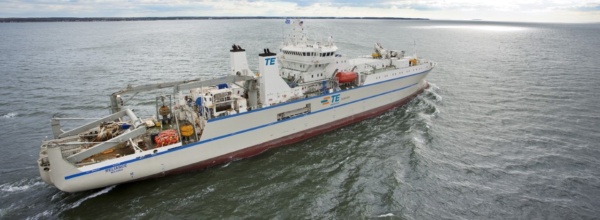
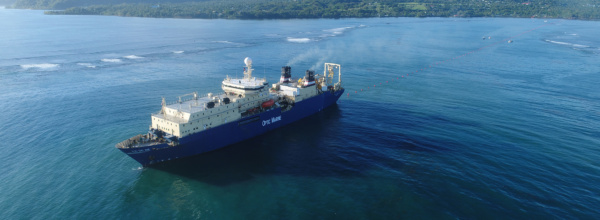
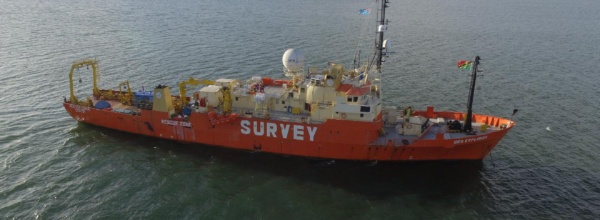
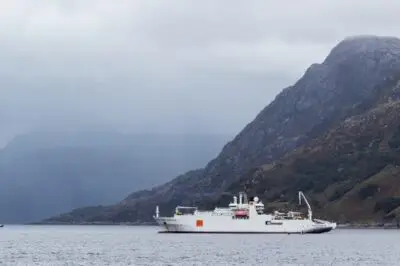
The fleet question has a practical construction and repair dimension. The report counts five cable-laying ships of more than 5,000 tons in Japanese company fleets: three with an NTT Group company and two with a KDDI Group subsidiary. Some vessels are more than 30 years old, while NEC, a major cable manufacturer and system supplier, charters ships rather than owning one. Dedicated vessels can carry long lengths of cable and support installation, burial, maintenance and retrieval work. Fleet age and availability therefore affect when projects and repairs can be executed, not just who supplies the cable.
The proposed subsidy could change the economics of replacing ships or adding capacity, but the companies have not committed to specific newbuilds in this announcement. NTT, KDDI and NEC are described as considering renewal or construction options. Japan’s July economic growth strategy also envisages JPY 2.4 trillion in public and private investment in undersea cable installation and cable-laying vessels by fiscal 2040. That long-range figure is a strategy target; it should not be confused with appropriated funding for the ministry’s proposed 50% vessel-construction support.
For cable owners and system suppliers, a larger domestic fleet could offer more choice when booking installation and maintenance work, particularly where vessel availability constrains project schedules. The immediate status is narrower: the support program is in a budget proposal for the next fiscal year, and no shipbuilding contract, recipient or delivery timetable is identified. The next verifiable milestone will be a funding decision and program terms, followed by any company vessel orders. Until then, the fleet-expansion effect remains prospective rather than installed capacity.
The post Japan Backs New Undersea Cable-Laying Fleet appeared first on SubTel Forum.